Who's liable when a locksmith damages your door, gate or lock
By Sam Lee · Updated 2026-06-30

This is general information, not legal advice. Specific outcomes depend on individual circumstances, so consult a professional for anything involving a genuine dispute or significant damage.
A question worth asking before, not after
Most locksmith jobs go smoothly, and the businesses tracked in this directory are generally praised for careful, professional work. But doors get damaged sometimes, a drilled lock that chips the surrounding wood, a gate hinge strained during a stubborn removal, and it’s worth knowing roughly where responsibility sits before you’re dealing with it after the fact.
The general principle
A business providing a service is generally expected to exercise reasonable care and skill. If damage results from carelessness, rushing a job, using the wrong tool for the lock type, forcing a mechanism that needed a gentler approach, that typically falls on the business rather than the customer. This is a general principle, not a guarantee of any specific outcome, and how it applies depends on the details of what actually happened.
Where it gets murkier is when the door, lock, or gate was already in poor condition before the job started. A locksmith attempting to remove a rusted, decades-old lock on a warped door frame is working with more risk than one on newer hardware, and some resulting damage may reflect that pre-existing condition rather than carelessness. This is exactly why documenting the starting condition matters.
| Situation | Likely responsibility | What helps your case |
|---|---|---|
| New damage from a rushed or careless job | Locksmith | Photos of the damage, timeline of events |
| Damage tied to pre-existing wear or weakness | Less clear-cut | Photos of the door’s condition before work started |
| Damage from a job you approved with known risk | Depends on what was disclosed upfront | Written confirmation of what you were told beforehand |
| Locksmith refuses to acknowledge damage | Escalation may be needed | Written communication, Small Claims Tribunals if unresolved |
What to do before the work starts
Take a few photos of the door, gate, or lock before the technician begins, especially if it’s old, already scratched, or has visible wear. This isn’t about distrust, it’s a habit that protects both sides equally, since a locksmith working on a documented starting condition also has less to worry about being unfairly blamed for pre-existing damage. It takes under a minute and costs nothing, which makes it one of the easiest precautions on this whole list.
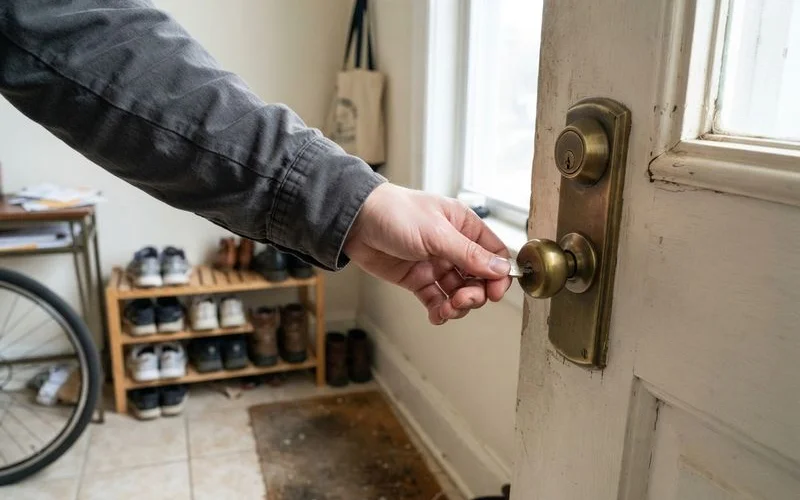
If a job carries genuine risk, an old lock that might need drilling if picking fails, a good locksmith will usually mention this upfront rather than surprising you afterward. Ask directly: is there a chance this causes any damage, and if so, what happens then. A clear answer at this stage is a good sign.
It also makes sense to ask whether the business carries any form of liability coverage for accidental damage during a job. Not every operator does, particularly smaller or solo tradesmen, but knowing the answer before work starts, rather than assuming, gives you a clearer picture of what recourse looks like if something does go wrong.
If something does go wrong
Photograph the damage as soon as you notice it, and keep any messages, quotes, or receipts from the job. Raise the issue directly and calmly first, most reputable businesses would rather resolve a genuine mistake than lose a customer over it, and reviews across the directory suggest that responsiveness to problems is one of the clearer signals of a trustworthy operator.
If a direct conversation doesn’t resolve things, Singapore’s Small Claims Tribunals handle a range of consumer disputes and may be relevant depending on the value and nature of the claim, though it’s worth checking eligibility for your specific situation rather than assuming. Most disputes never reach this stage, since a clear photo record and a calm first conversation resolve the vast majority of genuine mistakes without needing to escalate further. Our scoring methodology weighs consistency and verified feedback for exactly this reason, so checking a provider’s track record before booking is a reasonable first line of defence. See the homepage for the full directory.
FAQ
- Is a locksmith responsible for damage caused during a job?
- In general, a business is expected to take reasonable care and is responsible for damage caused by its own negligence during the job. This is general information, not legal advice, so the specifics of any individual case depend on the circumstances and what was agreed beforehand.
- What if the door was already old or weak and got damaged during a repair?
- This is where things get less clear-cut. A locksmith may point to pre-existing wear as a factor, which is one reason it helps to note and photograph the door's condition before work starts, especially on an older door or gate.
- Should I get anything in writing before letting a locksmith start work?
- Yes. A brief note or message confirming the job scope and a mention of the door's current condition protects both sides. It doesn't need to be formal, just clear enough to refer back to if a dispute comes up.
- What can I do if a locksmith damages something and won't take responsibility?
- Document the damage with photos, keep any communication in writing, and raise it directly and calmly first. If that doesn't resolve it, Singapore's Small Claims Tribunals handle disputes of this kind for many cases, though it's worth checking whether your claim qualifies.