HDB and condo rules on installing digital locks and gates in Singapore
By Sam Lee · Updated 2026-06-20
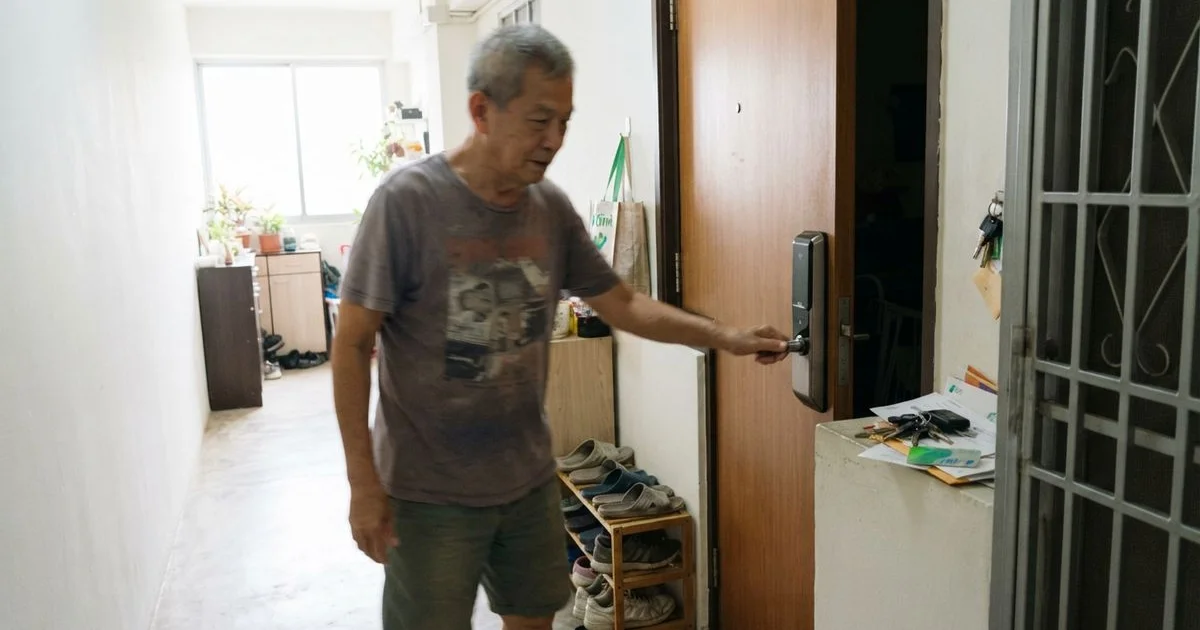
Locksmith work on your own front door usually doesn’t require special permission. Locksmith work that touches shared corridors, fire doors, or the exterior appearance of a unit is where the rules get more involved, and where checking first saves a headache later. This is general information, not legal advice; always confirm specifics with HDB or your condo’s management for your particular block.
The general shape of the rules
For HDB flats, replacing a standard mechanical lock with a digital one on your own main door is usually treated as routine, since it doesn’t change the structure of the unit. Where things get more specific is a metal gate: adding a new gate, or swapping an existing gate for a different type, can fall under HDB’s renovation guidelines depending on the block and whether the gate is visible from a common corridor. It’s worth a quick check with your Town Council or HDB branch office before booking gate work, particularly if you’re changing the gate design rather than just the lock on an existing one.
Condos add another layer. Most developments operate under an MCST with its own house rules, and those rules often cover anything visible from a common corridor, including the appearance of a gate or the addition of external hardware to a fire door. Some MCSTs require written notice before renovation work, others require formal approval with a deposit. The requirements differ enough between developments that assuming your neighbour’s experience applies to your own unit is a common, and avoidable, mistake. A quick email to your managing agent, describing exactly what you plan to install and whether it changes the door or gate’s outward appearance, is usually enough to get a clear answer within a few days.
| Property type | Main door lock swap | Gate installation or change | Fire door hardware |
|---|---|---|---|
| HDB flat | Usually routine | May need Town Council or HDB check | Check corridor fire door status first |
| Condo unit | Usually routine, check house rules | Often needs MCST notice or approval | Usually needs MCST approval |
Why fire doors matter here
If your front door or the door leading to your corridor is a designated fire door, any lock or hardware fitted needs to preserve its ability to self-close and latch fully. This applies to some HDB common corridor arrangements and is common in condo developments. A digital lock that’s poorly aligned, or one that props the door slightly ajar due to a misfit mounting plate, can compromise that function without it being obvious day to day.
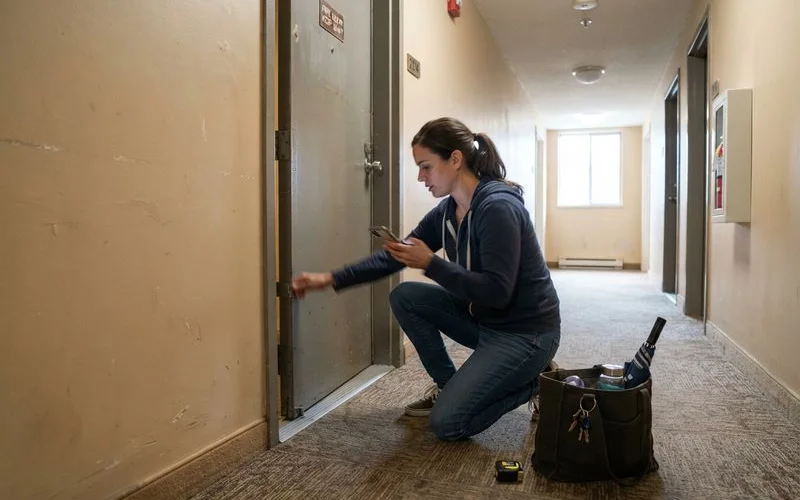
A locksmith experienced with fire-rated doors will know to check this during installation rather than treating it as a standard door. It’s a reasonable question to ask upfront: has this technician worked on fire doors before, and will the installation maintain the door’s self-closing function.
What to do before you book
Start with your Town Council (for HDB) or your MCST office (for condos) if the work involves anything beyond a like-for-like lock swap on your own door: a new gate, a change to an existing gate’s appearance, or any hardware on a shared or fire-rated door. A short phone call or email before booking is far less hassle than being asked to adjust or reinstate hardware after the fact.
When you do book a locksmith, mention the door type and whether it’s a corridor-facing or fire-rated door as part of the initial conversation. A locksmith who asks these questions unprompted is generally a good sign, since it means they’re thinking about compliance rather than just fitting the hardware and moving on.
It’s also worth keeping a copy of any approval or notice you receive, along with photos of the door before and after installation. If a question ever comes up later, having that on hand makes it much easier to show the work was done properly and with the right sign-off, rather than relying on memory months after the job is finished.
You can browse our list of digital and smart lock specialists in Singapore, and see our full directory homepage for other categories. Our scoring methodology explains how we weigh verified feedback across providers like these.
FAQ
- Do I need approval before installing a digital lock on my HDB main door?
- Generally, replacing a standard door lock with a digital one on your own unit doesn't need special approval, since it doesn't alter the structure. Adding or replacing a metal gate is more likely to involve HDB's renovation guidelines, so it's worth checking before you book installation.
- Does a condo MCST need to approve a digital lock installation?
- Many Management Corporation Strata Title (MCST) by-laws require notice or approval for changes visible from common areas or that affect fire doors. Check your condo's house rules before installing, since requirements vary by development.
- Can a digital lock affect fire door compliance?
- Yes, if the door itself is a designated fire door, common in condo corridors and some HDB blocks. Any hardware added needs to maintain the door's ability to self-close and latch properly, so it's worth confirming with a locksmith familiar with fire-rated doors.
- What happens if I install a lock without checking the rules first?
- Worst case, you may be asked to reinstate the original hardware or adjust the installation, which costs more than checking first. This is general information, not legal advice. For anything uncertain, check directly with HDB or your MCST before booking work.