Fire door and fire-rated lock rules for HDB and condo residents
By Sam Lee · Updated 2026-07-05
This is general safety information, not legal or fire-safety advice specific to your building. For anything involving fire door compliance, check with your building management, MCST, or a qualified professional.
Why fire doors are different
A fire door isn’t just a heavier version of a normal door. It’s built with specific materials and a self-closing mechanism designed to contain fire and smoke within a compartment for a set period, giving people time to evacuate and firefighters time to respond. That function depends entirely on the door closing fully and the latch engaging every single time, which is why hardware fitted to a fire door matters more than it might on an ordinary internal door.
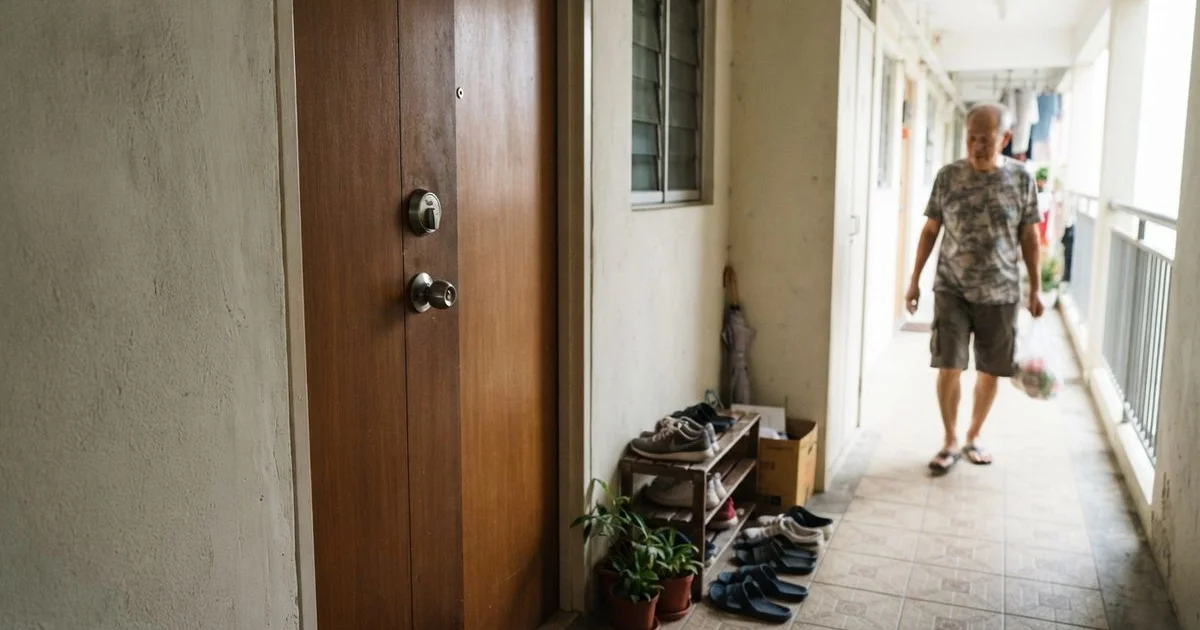
In Singapore, fire doors show up most commonly on common corridor entrances in HDB blocks and condos, stairwell doors, and various internal doors in commercial and mixed-use buildings. Not every front door is a fire door, but many corridor-facing doors in multi-storey residential blocks are, which is directly relevant if you’re a locksmith customer thinking about adding or changing hardware.
What can compromise a fire door
The clearest breach is obvious: propping a fire door open with a wedge or object defeats its purpose entirely. Less obvious, and more relevant to locksmith work, is hardware that interferes with the self-closing mechanism, a digital lock’s bulk that catches on the frame, a mounting plate that doesn’t sit flush, or a lock that’s heavy enough to slow the door’s swing so it doesn’t fully close before smoke could pass through.
| Issue | Effect on fire safety | What to check |
|---|---|---|
| Door propped open | Defeats the door’s function entirely | Never prop a fire door, even briefly |
| Poorly fitted lock hardware | May prevent full closing or latching | Confirm the lock is rated for use on fire doors |
| Misaligned mounting plate | Can catch on the frame, slowing closure | Have a technician test the full swing after fitting |
| Worn or damaged door seals | Reduces smoke sealing even if the door closes | Report to building management if noticed |
What to ask before adding hardware
If you’re considering a digital lock or any additional hardware on a corridor-facing door, ask the locksmith directly whether they’ve worked on fire-rated doors before and whether the specific lock model is suitable for that use. Not every digital lock is designed with fire door compatibility in mind, and a locksmith who doesn’t ask about the door type before quoting is a sign to slow down and ask more questions yourself.
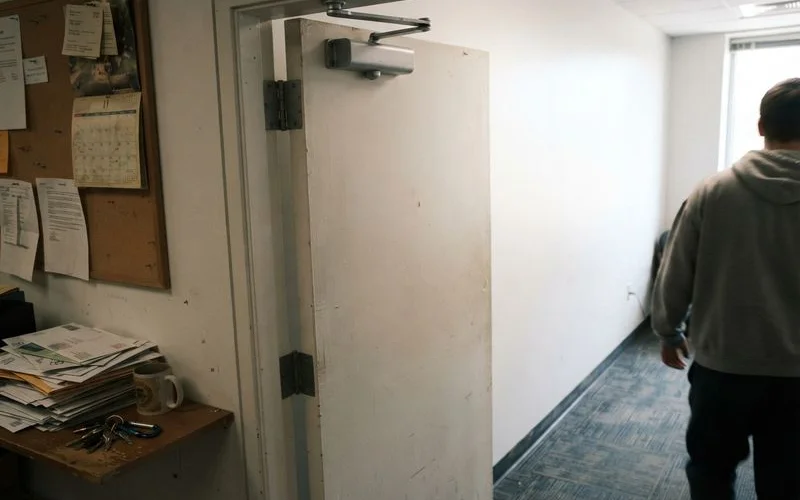
After installation, ask the technician to test the door’s full swing and confirm it closes and latches completely on its own, without needing a push. This is a simple check that takes a minute but confirms the fire door’s core function hasn’t been compromised by the new hardware. It’s a fair request even if the technician doesn’t offer it unprompted, since a rushed job is the most common way this kind of oversight happens.
If you notice a problem
A fire door that doesn’t close on its own, has a damaged seal, or has been propped open regularly is worth reporting to your Town Council, MCST, or building management promptly rather than assuming someone else will notice. This applies whether or not the issue is related to locksmith work, since fire door integrity affects everyone in the building, not just the resident behind that specific door.
If you’re a business operator in a commercial unit with fire-rated doors, panic bars, or roller shutter hardware, the same principle applies at a larger scale. These are typically inspected as part of routine fire safety checks, and any lock or access control work involving them should be done by someone who understands the compliance requirements, not just someone who can fit a standard lock.
For locksmith work involving commercial or corridor-facing doors, browse our list of commercial locksmiths in Singapore, many of whom handle fire-rated hardware as part of regular work. See our scoring methodology for how we evaluate providers, and visit the homepage for the full directory.
FAQ
- How do I know if my door is a fire door?
- Fire doors are commonly found on common corridor entrances in HDB blocks and condos, and some internal doors in commercial buildings. If unsure, check with your Town Council, MCST, or building management, since not all doors are labelled clearly.
- Can I still add a digital lock to a fire door?
- Often yes, but the hardware needs to be compatible with the door's fire rating and shouldn't interfere with its ability to self-close and latch fully. A locksmith familiar with fire doors can confirm what's appropriate for your specific door.
- What's the risk if a fire door doesn't close properly?
- A fire door's job is to slow the spread of fire and smoke by staying closed and sealed. Hardware that props it open even slightly, or a latch that doesn't fully engage, can reduce that protection significantly.
- Who's responsible for maintaining fire doors in a shared building?
- This is general information, not legal advice. Responsibility typically involves a mix of building management, the MCST or Town Council, and individual residents for hardware they've added themselves, so check with your specific building's management for clarity.