Child or pet locked in a room: what to do before the locksmith arrives
By Sam Lee · Updated 2026-07-03
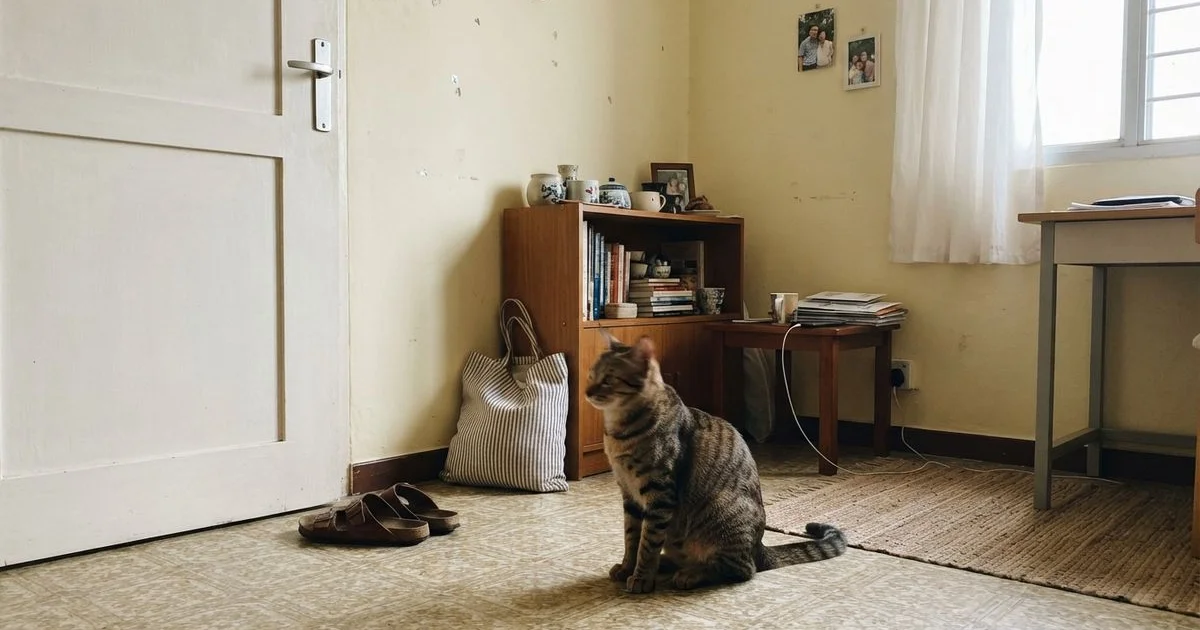
This is general safety information for a routine lock-in situation, not medical or emergency-response advice. If there’s any immediate danger to a child, pet, or anyone else, call emergency services first.
The first sixty seconds
A child or pet accidentally locked in a bedroom, bathroom, or storeroom is one of the more panic-inducing moments a parent or pet owner can face, but for most internal doors in a Singapore home, it’s also one of the more quickly resolved. The internal locks on bedroom and bathroom doors are typically simple privacy latches, not the security-grade locks on your main door, which is good news for how fast this usually gets sorted.
Stay calm and talk through the door. For a child old enough to follow simple instructions, walking them through turning the latch or pushing the door while you push from your side sometimes resolves it without needing anyone else at all. For a younger child, a pet, or a door that genuinely won’t budge, don’t spend too long attempting this yourself before calling for help.
What actually works, and what doesn’t
Many internal privacy locks (the small button or turn-latch type common on bedroom and bathroom doors) can be released from the outside using a thin, flat tool inserted into the small hole or slot on the outer handle, if there is one. If you’re comfortable trying this and it’s a design you recognise, it’s often worth a quick attempt. If it doesn’t work within a minute or two, stop and call an emergency locksmith rather than escalating to force, which risks damaging the door or, more importantly, alarming whoever is on the other side.
| Situation | What to try first | When to call a locksmith |
|---|---|---|
| Older child, simple latch lock | Talk them through opening it themselves | If instructions don’t work within a few minutes |
| Young child or pet, simple latch lock | Try the outer release hole if the door has one | If it doesn’t release quickly, or you’re unsure how |
| Any lock that seems jammed or complex | Don’t force it | Immediately, avoid unnecessary risk or damage |
| Any sign of real danger | Call emergency services | Not applicable, this takes priority |
What to expect when the locksmith arrives
For a standard internal door, opening it is usually fast and simple for a trained technician, most internal locks aren’t designed to resist an experienced locksmith the way a security-grade external lock is. Expect the job to take a few minutes rather than an extended process, and expect the locksmith to prioritise a non-destructive method first, since there’s rarely a reason to drill or force an internal door.
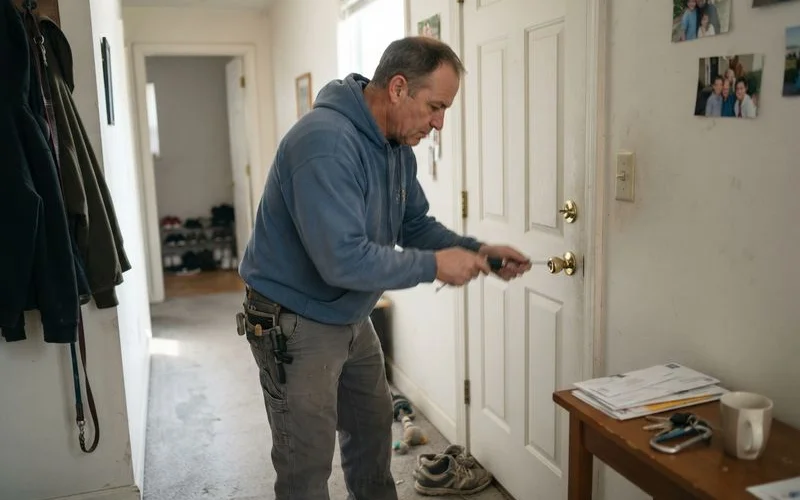
Mention on the phone that it’s a child or pet on the other side, since this helps the locksmith prioritise the call appropriately and come prepared for a quick, careful job rather than treating it as a routine lockout.
After it’s resolved
Once the door is open, it’s worth checking whether the latch mechanism itself needs attention, sometimes a lock-in happens because a latch is slightly worn or catches unpredictably, which can happen again if left unaddressed. A locksmith can usually adjust or replace a simple internal latch cheaply and quickly while they’re already there.
This is also a good moment for a broader check. Households with young children or pets sometimes swap privacy latches on internal doors for a version that can’t fully lock from the inside, or remove the lock function entirely on rooms where it isn’t really needed. It’s a small change, but it removes the possibility of a repeat lock-in altogether rather than just handling it faster next time.
Reviews across the directory consistently mention fast, calm response as a strength in genuinely urgent situations like this one, which matters more here than in most locksmith work, since the person on the other side of the door is often frightened and needs the situation handled with patience, not just speed.
You can browse 24/7 emergency locksmiths in Singapore, and see our scoring methodology for how we rank responsiveness. Visit the homepage for the full directory.
FAQ
- What's the first thing I should do if my child is locked in a room?
- Stay calm and talk to them through the door so they know help is coming and don't panic. If they're old enough, some doors can be opened from the inside with simple instructions. Call an emergency locksmith immediately if that doesn't work.
- Is it safe to try opening the door myself first?
- For a simple privacy lock (a small button or turn latch on a bedroom or bathroom door), many can be released from the outside with a thin flat tool or a straightened pin, if you're comfortable trying. For anything more complex, waiting for a professional is safer than forcing it.
- Will the locksmith need to damage the door?
- Usually not, for a standard internal door. Most internal locks are simple mechanisms that a trained locksmith can open without picks or force in a couple of minutes, well before drilling would even be considered.
- What if it's an actual emergency, like a gas leak or a medical issue?
- Call emergency services first. This guide covers a routine lock-in scenario. If there's any immediate danger, prioritise emergency services over a locksmith call every time.