The safety risks of DIY lock picking or bypassing your own lock
By Sam Lee · Updated 2026-07-09
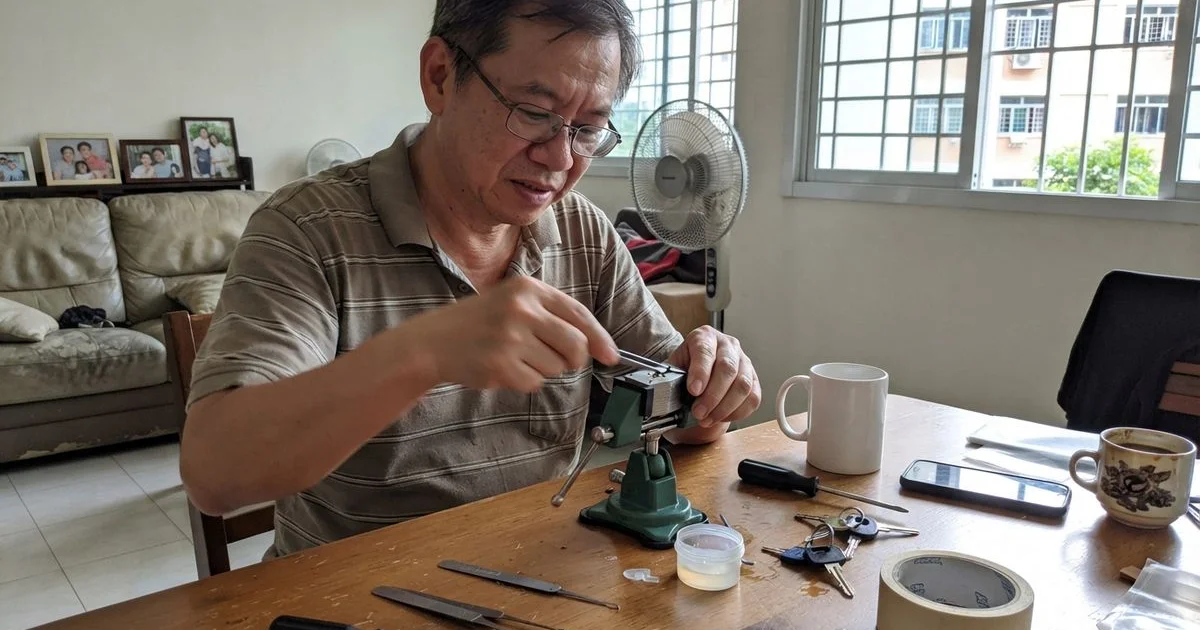
This is general safety information, not a guide to lock picking technique or a substitute for professional advice.
Why this comes up
Lock picking looks approachable online: plenty of tutorials show someone opening a practice lock in under a minute with a couple of cheap tools. For someone locked out and frustrated at the cost of an emergency callout, giving it a try themselves feels like a reasonable shortcut. The reality is messier, and the risks aren’t just about wasted time.
What actually goes wrong
The most common outcome of an inexperienced attempt isn’t success, it’s a lock that’s now harder to open than before you started. Tension tools can snap off inside the cylinder if too much force is applied. Pins can bend or become misaligned. In some cases, an amateur attempt effectively jams the lock, turning what would have been a straightforward pick job for a professional into one that now requires drilling and full replacement, at a higher cost than if you’d called someone from the start.
| Risk | What can happen | Cost impact if it goes wrong |
|---|---|---|
| Snapped tool inside the lock | Cylinder becomes jammed with broken metal | Usually requires drilling, higher total cost |
| Bent or misaligned pins | Lock becomes harder to pick, even for a professional | Extra diagnostic and labour time |
| Forced mechanism | Visible or structural damage to the lock or door | Full lock replacement likely needed |
| Wasted time under pressure | Delay in resolving an actual emergency | Indirect cost, safety, and stress |
There’s also a time-pressure problem specific to a real lockout that tutorials don’t fully capture. Practice locks are calm, low-stakes, and often deliberately easier than a lock that’s been in daily use for years. A real lock, especially an older or slightly worn one, behaves differently, and the pressure of standing outside your own door doesn’t help fine motor skills.
Digital locks add a separate category of risk entirely. Some online guides suggest bypassing a digital lock’s electronics or forcing the mechanical backup rather than waiting for a battery to be replaced or a code reset properly. Beyond the mechanical damage risk, mishandling the electronics on a digital lock can trigger a lockout mode on some models, or damage components that are considerably more expensive to replace than a standard mechanical cylinder.

The security angle, not just the mechanical one
There’s a less obvious risk too: an attempt that doesn’t fully damage the lock but does compromise it slightly, a pin that’s now sitting at a slightly different height, a spring that’s weaker than before, can leave a lock that appears to work but is now easier for anyone else to pick or bypass later. This isn’t always obvious immediately, which makes it a genuinely underrated risk of a botched DIY attempt.
When it’s worth just calling someone
If you don’t already have picking experience and the right tools on hand before the lockout happens, attempting it in the moment rarely saves money once you weigh the risk of turning a simple job into an expensive one. A professional locksmith carries the training and tools to try non-destructive methods first and knows when to stop and switch approach before causing damage, which is exactly the judgment call that’s hardest to make correctly on a first attempt. The honest comparison isn’t the callout fee against zero cost, it’s the callout fee against the real chance of an even bigger repair bill.
Reviews across the directory consistently mention technicians using picking or bypass methods before anything more invasive, precisely because it’s usually the faster and cheaper outcome when done by someone experienced. The skill isn’t just in opening the lock, it’s in recognising early when a particular lock won’t yield to picking and switching approach before causing damage, a judgment call built from repetition rather than a weekend of tutorials.
Browse the full directory homepage to find a locksmith near you, and see our scoring methodology for how we rank responsiveness and skill.
FAQ
- Is it legal to pick a lock on my own door?
- Picking a lock you own or have a right to access isn't itself an offence, but the tools and methods can cause damage if used incorrectly, and this is general information rather than legal advice for any specific situation.
- Can I damage my lock by trying to pick it myself?
- Yes, this is one of the more common outcomes. Inexperienced picking attempts can snap tension tools inside the cylinder, bend pins, or force the mechanism, sometimes turning a simple lockout into a job that now requires drilling.
- Are online lock picking tutorials reliable for a real lockout?
- They can teach the general concept, but a real lockout under time pressure, often with a lock you've never opened before, is a very different situation from a calm practice session with a training lock. Skill built on video tutorials doesn't always translate directly.
- When is it worth just calling a locksmith instead of trying myself?
- If you don't already have picking experience and the tools on hand, calling a locksmith is usually faster and cheaper overall once you factor in the risk of turning a simple lockout into a more expensive lock replacement.