Selling or moving out of a home in Singapore: what happens to the locks
By Sam Lee · Updated 2026-06-25

The handover moment nobody plans for
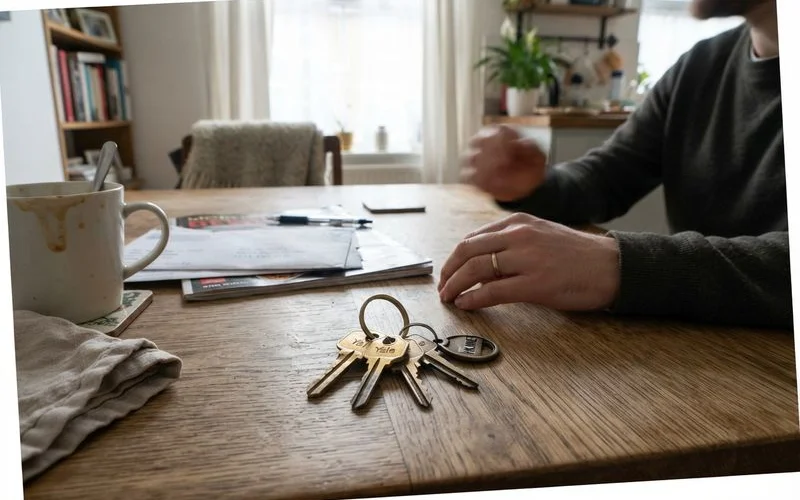
Selling a flat or moving out at the end of a tenancy comes with a long checklist, utilities, mail redirection, final cleaning, and locks tend to get compressed into “just hand over the keys” without much more thought. That’s a missed opportunity on both sides of the transaction: the seller or outgoing tenant has a chance to close out access cleanly, and the buyer or incoming tenant has a chance to start with a known, controlled set of keys rather than an unknown history.
What sellers and outgoing tenants should do
Gather every key that exists for the property: main door, gate, mailbox, storeroom, and any spares given to family, cleaners, or contractors over the years. If you genuinely can’t account for all copies, which is common after years in a home, having the lock rekeyed shortly before handover is a straightforward way to reset that uncertainty for the buyer without needing to track down every old key.
For a digital lock, factory reset it before you leave. Your own PIN codes, cards, and fingerprints should not still work once the property changes hands, and this step is easy to forget in the rush of moving day.
| Step | Seller or outgoing tenant | Buyer or incoming tenant |
|---|---|---|
| Collect all keys | Gather and hand over every known copy | Confirm the count matches what’s expected |
| Digital lock reset | Factory reset before handover | Set up new PIN, cards, or biometrics |
| Rekey uncertainty | Consider rekeying if copies are unaccounted for | Consider rekeying regardless, as a precaution |
| Gate lock | Include gate keys in the handover | Test the gate lock separately from the main door |
What tenants specifically need to check
If you’re an outgoing tenant who changed a lock during your tenancy, most tenancy agreements require the property to be returned in its original condition. That usually means reverting to the original lock, or at minimum informing the landlord and handing over keys for any change you made. Skipping this step can turn into a dispute over the security deposit, which is an avoidable outcome with a quick conversation before you move out.
What buyers and incoming tenants should do
Even with every key accounted for on paper, a rekey shortly after taking ownership is a reasonable, low-cost precaution. You have no real way to confirm how many unofficial copies were made over the years, by a previous owner’s family member, a past contractor, or a tenant before you. Reviews across the directory consistently mention this exact situation, buyers rekeying shortly after moving in, as one of the more common residential jobs, alongside genuine lockouts.
If the unit has a digital lock, don’t assume it was reset. Check with the seller or agent whether it was factory reset, and if there’s any doubt, have a locksmith reset and reprogram it as part of your own move-in process rather than relying on someone else’s word for it.
The same logic applies to the gate lock, which buyers sometimes overlook because attention naturally goes to the main door first. A gate that still responds to an old key or code is just as much a gap as an unchanged front door lock, and it’s a five-minute add-on if you’re already having the main door rekeyed.
Making the handover clean for everyone
A short conversation between outgoing and incoming parties, ideally documented in the handover paperwork, on exactly what keys exist and whether a rekey happened, saves both sides from the vague uncertainty of “I think that’s all of them.” It’s a small step compared to everything else on a moving checklist, but it’s the one that actually determines who can walk through the front door after the keys change hands. Our scoring methodology weighs how consistently a business handles exactly this kind of handover work. Browse residential locksmiths in Singapore for both ends of this transition, and see the homepage for the full directory.
FAQ
- Am I obligated to hand over every key when I sell my flat?
- Yes, as part of a standard handover you should provide all keys, including gate and any spares, to the new owner. It's also reasonable, and common practice, for a seller to have the locks rekeyed just before handover if they're unsure how many copies exist.
- What should I do with a digital lock before moving out?
- Factory reset it so your PINs, cards, and fingerprints are cleared before handover. Leaving your own access codes active on a lock you no longer own is an easy thing to forget and a real oversight if it happens.
- As an outgoing tenant, do I need to change the locks back before I leave?
- Check your tenancy agreement. Most require returning the property in its original condition, meaning any lock you changed during the tenancy should generally be reverted, or the landlord informed and new keys handed over.
- Should I get the locks changed as a buyer, even after receiving all the keys?
- It's a reasonable precaution. You can't fully verify how many copies were made over the property's history, so a rekey shortly after taking ownership is a low-cost way to remove that uncertainty.
Related on this site
- Browse residential locksmith providers
- DIY lock change or call a locksmith? A Singapore homeowner's guide
- Moving into a new flat in Singapore? A checklist for locks and keys
- First time renting in Singapore? What to know about locks and lockouts
- Lost your car key in Singapore? What to do and what it costs
- All guides →