First time renting in Singapore? What to know about locks and lockouts
By Sam Lee · Updated 2026-06-28
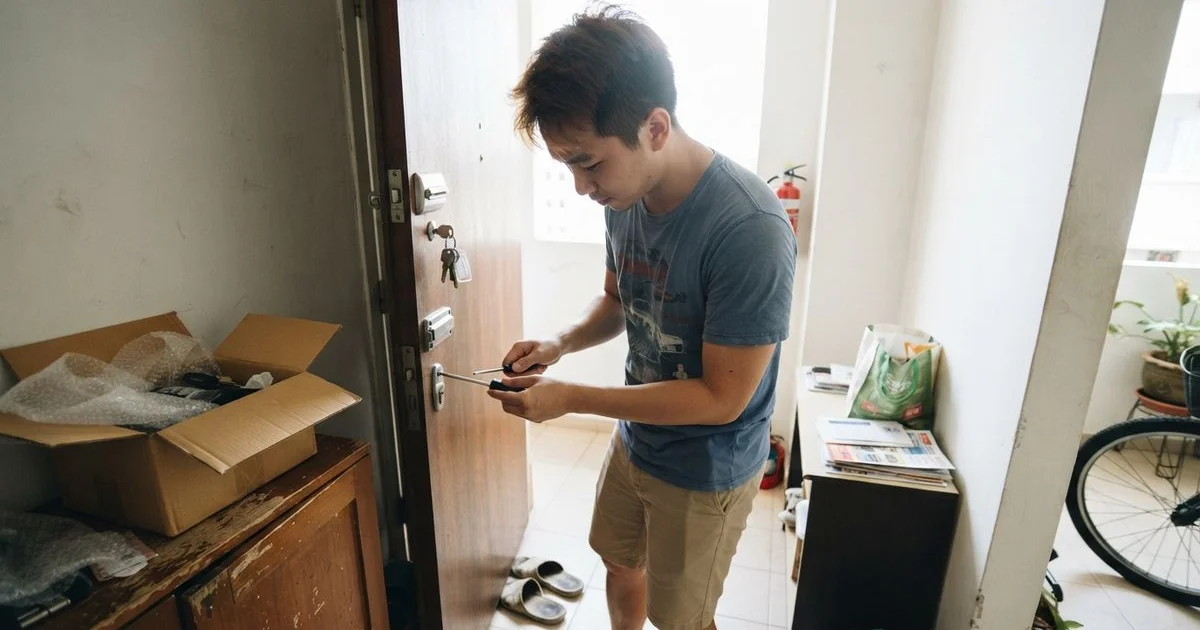
The basics nobody explains when you sign the lease
Renting for the first time in Singapore comes with a long list of firsts: your first utilities transfer, your first time reading a tenancy agreement closely, and often your first time being solely responsible for a set of keys with no parent or property manager to bail you out if something goes wrong. Locks rarely come up in the initial move-in conversation, but a little groundwork in the first week saves real hassle later.
Who to call, and when
For a genuine lockout, standing outside your own door with no way in, an emergency locksmith is the right call, not a handyman or a general contractor. Look for one with clear coverage of your area and transparent pricing before you’re actually in the situation, since researching calmly now is easier than comparing options while stuck outside at night.
It’s also worth knowing what to have ready when you call: your unit address, and something that ties you to it, an IC, a copy of your tenancy agreement, or a utility bill in your name. A legitimate locksmith should ask for this before opening the door, and having it ready speeds up a stressful moment rather than adding to it.
For anything involving the lock itself, wanting it changed, noticing it feels loose, or a digital lock acting up, check your tenancy agreement first. Most rentals require landlord consent before altering fixtures, including locks, so a quick message to your landlord or agent before booking anyone avoids a dispute later.
| Situation | Who to call | Before you call |
|---|---|---|
| Locked out right now | Emergency locksmith | Have your address and IC ready to confirm you live there |
| Lock feels loose or worn | Landlord or agent first | Get written consent before booking a repair yourself |
| Want to rekey for peace of mind | Landlord or agent first | Explain the reason, offer to provide a copy of the new key |
| Digital lock malfunctioning | Landlord’s appointed technician, if specified | Check if the lease names a specific vendor |
Budgeting for the unexpected
A simple lockout typically costs more at night, on Sundays, or on public holidays than during office hours, so if your situation isn’t a true emergency, waiting until the next morning can genuinely save money. Ask for the total price, including the callout fee and any time-of-day surcharge, before agreeing to the job, and treat a locksmith who won’t give you a number upfront as a reason to call someone else.
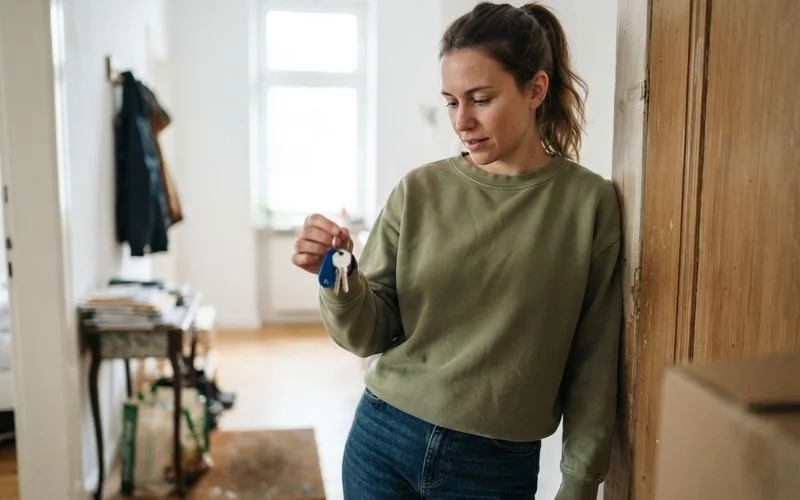
It’s also worth setting aside a small buffer in your moving budget specifically for locks: a lockout, a spare key cut, or a rekey request if you decide you want one. None of these are large costs individually, but they’re easy to forget when budgeting for a first move.
Sharing a flat with roommates adds another wrinkle worth sorting out early: agree upfront on who holds a set of keys, whether a shared spare is kept somewhere accessible, and what happens if someone moves out partway through the lease. It’s a five-minute conversation on move-in day that avoids a much longer one later if someone loses their only set.
A few habits worth starting early
Keep a locksmith’s contact number saved in your phone rather than searching under pressure during an actual lockout. Consider leaving a spare key with a trusted neighbour, friend, or family member nearby, which can solve a simple lockout without a callout at all. And read the section of your tenancy agreement covering fixtures and alterations once, early on, so you already know the answer if a lock question comes up rather than discovering the rules mid-dispute.
None of this needs to happen on day one. Spreading it across your first couple of weeks, once utilities and furniture are sorted, is realistic and still gets you covered well before you’d actually need any of it.
You can browse residential locksmiths in Singapore to find one covering your area before you need one, and see our scoring methodology for how we rank them. Visit the homepage for the full directory.
FAQ
- Who pays for a lockout, me or my landlord?
- Generally the tenant, since a lockout is usually treated as the tenant's own responsibility rather than a property fault. Check your tenancy agreement, but budgeting for the occasional lockout as a personal cost is the safer assumption.
- Do I need my own toolkit or anything for basic lock issues?
- Not really, most lock problems are locksmith jobs rather than DIY fixes, especially in a rental where you may not want to alter the hardware. Keep a locksmith's contact saved rather than a toolkit.
- How do I avoid overpaying as a first-time renter who doesn't know local pricing?
- Ask for the full quote, including callout and time-of-day surcharge, before agreeing to a job. Comparing against typical ranges published by directories or category guides gives you a sanity check even on your first call.
- Should I keep a spare key with someone nearby?
- It's a good habit. A trusted neighbour, friend, or family member holding a spare key can save you a locksmith callout entirely for a simple lockout, which is worth setting up in your first week.
Related on this site
- Browse residential locksmith providers
- DIY lock change or call a locksmith? A Singapore homeowner's guide
- Moving into a new flat in Singapore? A checklist for locks and keys
- Selling or moving out of a home in Singapore: what happens to the locks
- Free and low-cost locksmith help in Singapore: who to call
- All guides →