Getting into a deceased relative's home or safe in Singapore: what's allowed
By Sam Lee · Updated 2026-07-11
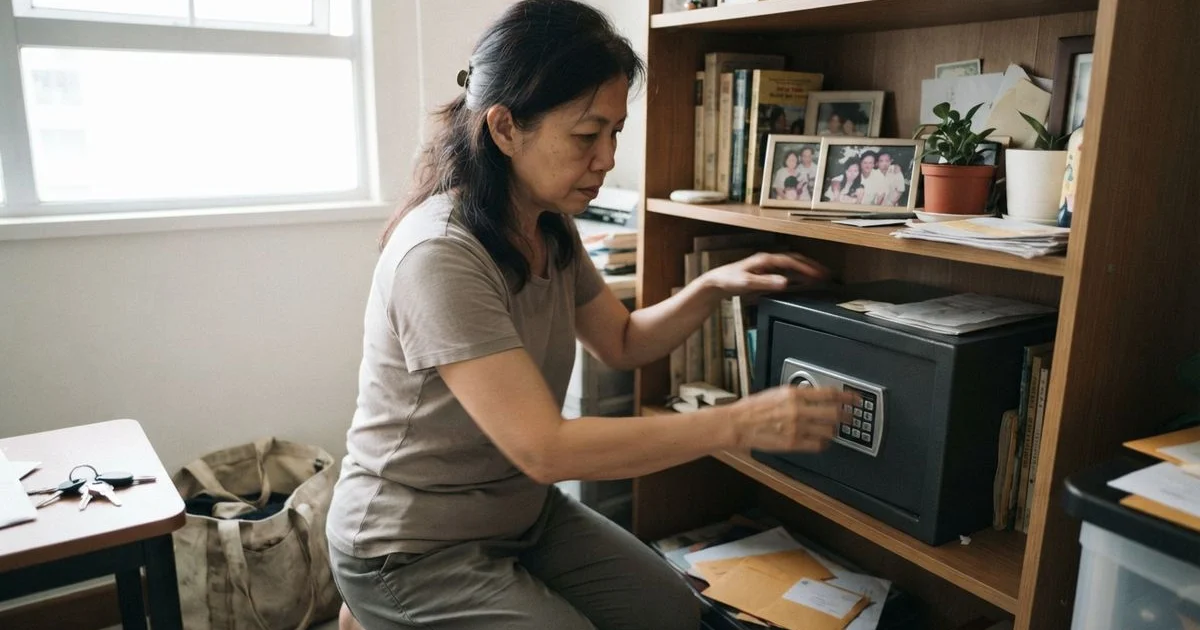
This is general information, not legal advice. Matters involving a deceased person’s estate, property, and belongings depend on individual circumstances and Singapore’s estate laws, so consult a lawyer or the Public Trustee’s Office for guidance specific to your situation.
A situation that combines grief with practical logistics
Losing a family member brings a long list of practical tasks that have to happen alongside grief, and gaining access to their home or a locked safe is often one of the more emotionally loaded items on that list. It’s worth approaching calmly and with a clear sense of what’s needed, both for your own peace of mind and because a locksmith handling this kind of request will usually ask for some verification before proceeding.
What a responsible locksmith will ask for
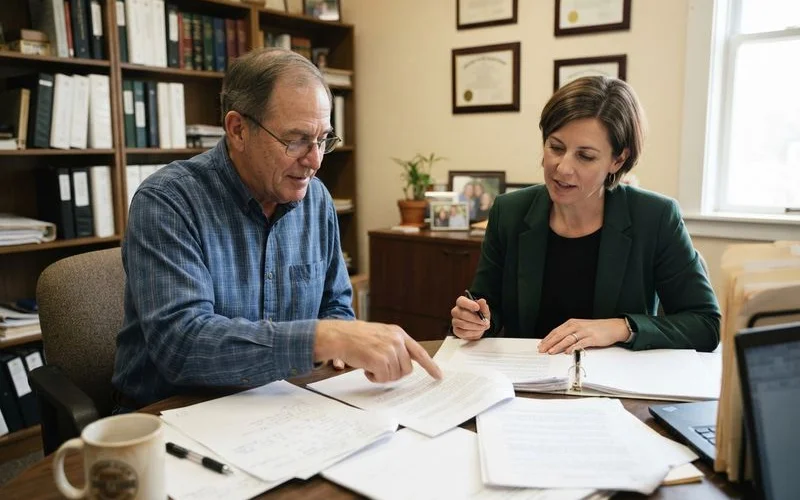
Just as a locksmith won’t open any door on request for a routine lockout, opening a deceased person’s home or safe involves an extra layer of care. Expect to be asked for a death certificate, your identification, and something that establishes your relationship or authority, being named as next of kin, executor, or having documentation from the Public Trustee’s Office if the estate is being administered through that channel. A locksmith asking these questions isn’t creating obstacles, they’re protecting the family from disputes down the line about who authorised access.
| What you’ll likely need | Why it matters |
|---|---|
| Death certificate | Confirms the reason for the request |
| Your own identification | Establishes who is making the request |
| Proof of relationship or authority | Executor documentation, will, or next-of-kin status |
| Agreement among family members, where relevant | Reduces risk of disputes over access or contents |
Who actually has authority
This is genuinely a legal question, not a locksmith one, and it depends on whether the deceased left a will, who was named executor, and whether the estate is being handled privately or through the Public Trustee’s Office. If there’s any disagreement among family members about who should authorise access, or what should happen to what’s found, it’s worth resolving that with a lawyer or the Public Trustee’s Office before involving a locksmith, rather than after, since a locksmith isn’t in a position to arbitrate a family dispute.
Opening a safe specifically
If the situation involves a locked safe rather than just a door, the same principle of proof and authority applies, plus a few safe-specific considerations. A competent locksmith will usually ask about the safe’s brand and lock type first, since non-destructive methods (manipulation or decoding) are preferable when the mechanism allows it. If the combination or key is genuinely unknown and non-destructive methods don’t work, drilling becomes the fallback, which typically means the safe needs a new lock afterward.
Before the safe is opened, it’s worth having a clear, ideally agreed-upon plan among the relevant family members or whoever holds legal authority for what happens with the contents, particularly if the safe might contain a will, financial documents, or items of sentimental or monetary value. Having this conversation beforehand, even briefly, avoids the awkwardness of disagreements happening in the moment the safe swings open.
Some families choose to have more than one person present when the safe is opened, or ask the locksmith to note down what’s found before anything is removed. Neither is required, but both can help avoid later uncertainty about exactly what was inside, particularly if the estate involves multiple beneficiaries.
Taking it one step at a time
This process doesn’t need to happen all at once or under time pressure unless there’s a genuine urgency, a will needed for an imminent legal deadline, for instance. Taking the time to sort out who has authority and what documentation is needed, before calling a locksmith, generally makes the actual visit smoother and less stressful for everyone present. It’s one small piece of a much larger process, and getting it right doesn’t need to add to an already difficult time.
You can browse our list of safe opening and installation providers in Singapore, and see our scoring methodology for how we evaluate them. Visit the homepage for the full directory.
FAQ
- Can any family member ask a locksmith to open a deceased relative's home?
- A responsible locksmith will generally ask for some proof of relationship or authority, a death certificate and identification, before opening a door or safe on someone else's behalf. This protects everyone involved, including the family.
- Who has legal authority to access a deceased person's belongings?
- This depends on whether there's a will, an appointed executor, or the matter goes through the Public Trustee's Office or the courts. This is general information, not legal advice, so consult a lawyer or the Public Trustee's Office for guidance specific to your situation.
- What if the safe contains a will or important documents?
- It's worth having a clear plan for what happens to the contents before the safe is opened, ideally agreed among family members or guided by whoever has legal authority over the estate, to avoid disputes over what was or wasn't found inside.
- Should the locksmith drill the safe or try to open it without damage?
- A competent locksmith will usually attempt non-destructive methods first if the safe's brand and lock type are known. Drilling is more likely if the combination or key is truly unknown, and it typically means the safe needs a replacement lock afterward.